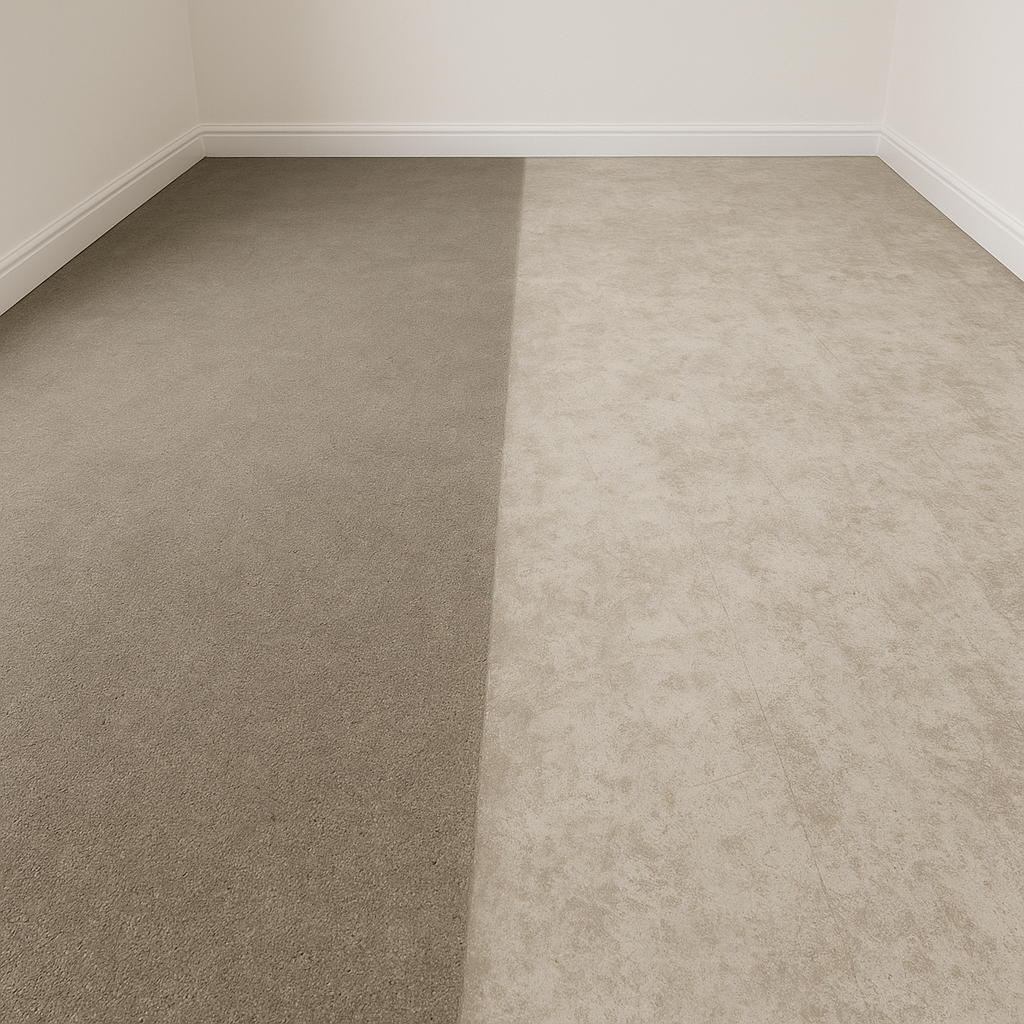
How to Remove Laitance from Screed and Self-Levelling Compounds
Luke Harrison2026-01-12T20:02:22+00:00When you pour a new screed or self-levelling compound, a thin, dusty layer often forms on the surface as it dries.
That layer is called laitance and it’s one of the most common causes of floor failure. You wull need to remove the laitance from the screed before putting anything else on the floor.
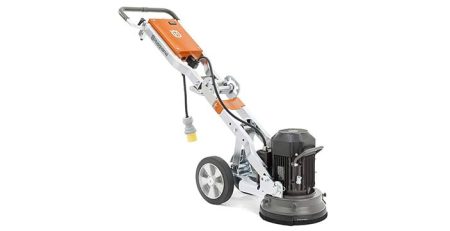
In this guide, we’ll explain what laitance is, when to remove it, and how to remove it properly using an STR 701 rotary machine and the correct tooling, all while keeping dust under control with a Husqvarna DE110 extractor.
What Is Laitance?
Laitance is a weak, powdery surface layer that appears on fresh screeds as fine cement and water rise to the top during curing.
It might look harmless, but it creates a barrier that prevents primers, adhesives, coatings, and overlays from bonding properly.
If you don’t remove it, coatings and floor finishes can delaminate, blister, or peel — often within weeks.
When Should You Remove Laitance from Screed and Self-Levelling Compounds?
Timing matters.
Remove laitance as soon as the screed is strong enough to walk on, but before it hardens completely:
- Traditional sand & cement screeds: around 3–7 days after laying.
- Self-levelling compounds: around 24–48 hours after placement (check the manufacturer’s data).
If left too long, the laitance becomes much harder and requires more aggressive tooling to remove.
How to Remove Laitance
Step 1️⃣ – Inspect & Prepare the Area
- Check that the surface is firm enough to walk on without marking.
- Remove debris or dust using a broom or vacuum.
- Mark out the work area and ensure good airflow.
Step 2️⃣ – Choose the Right Equipment
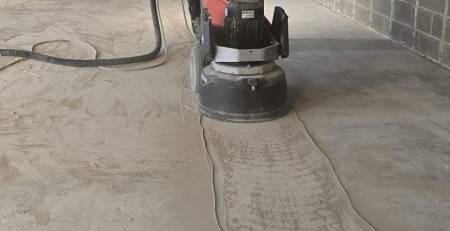
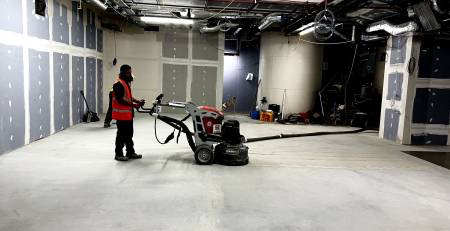
The STR 701 rotary machine is the go-to tool for laitance removal.
It’s versatile, easy to control, and can be fitted with sanding discs or a triple-head attachment depending on how hard the surface has become.
📺 Watch our video tutorial: “How to Use an STR 701” on the Multi-Hire Power Tools YouTube channel for a full step-by-step demo.
Step 3️⃣ – Connect Dust Extraction
Before starting, it’s vital to connect a dust extraction unit such as the Husqvarna DE110.
This keeps the workspace clean and, more importantly, prevents airborne silica dust that can be harmful to health.
✅ Use an H-class or M-class extractor for compliance.
✅ Always check filters and hose connections before use.
✅ Keep extraction running continuously during grinding or sanding.
You can view our full range of dust extractors here.
Step 4️⃣ – Select the Correct Tooling
Depending on surface hardness, choose one of the following:
Option A – Fresh / Soft Laitance (1–5 Days Old)
Use a 40- or 60-grit sanding disc on the STR 701.
This lightly abrades the soft top layer without damaging the screed beneath.
✅ Fast, clean removal.
✅ Ideal for recently poured floors.
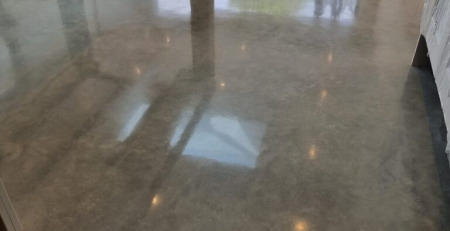
✅ Leaves a smooth, ready-to-prime surface.
Option B – Hardened Laitance (Older Screeds)
If the surface has been left for weeks or months, switch to the triple-head plate with 30g diamond discs.
This provides more aggressive abrasion to expose the solid screed below.
✅ Restores a clean, bondable surface.
✅ Opens pores for primers and coatings.
✅ Perfect for tough laitance layers.
Step 5️⃣ – Vacuum Thoroughly
After grinding or sanding, vacuum the entire surface using your DE110 or equivalent extractor.
Removing all loose dust is essential for adhesion and for a clean working environment.
What Happens If You Skip This Step
If laitance isn’t removed:
❌ Primers and adhesives won’t bond properly.
❌ Coatings may peel or delaminate.
❌ Polished overlays can fail prematurely.
❌ Surface durability is dramatically reduced.
Taking the time to remove laitance properly ensures your flooring system performs as intended for years.
💡 Pro Tips
- Always test a small section first to confirm the right grit or tooling.
- Don’t over-grind — you’re removing the weak surface, not the structural screed.
- Maintain consistent machine passes for even texture.
- Use H-class dust extraction and PPE (respirator, gloves, goggles).
- Prime or seal the floor promptly after cleaning to prevent contamination.
Recommended Equipment from Multi-Hire Power Tools
✅ STR 701 Rotary Machine – reliable and easy to use.
✅ 40 / 60 Grit sanding disc – ideal for early-stage laitance removal.
✅ Triple-Head Attachment – for hardened surfaces.
✅ Husqvarna DE110 Dust Extractor – for safe, dust-free operation.
Hire or buy directly from:
👉 multi-hire.co.uk | ☎ 03455 613633